Putting up a fence can look straightforward, but the details matter more than you think. From choosing the right materials to understanding local regulations, each choice affects the style, strength, and utility of your property boundary. Done right, a fence elevates street appeal and brings protection, discretion, and ROI to your home. Owners who plan ahead save hours, prevent expensive errors, and get a fence that endures.
In this guide, you’ll find the must-know tips for any fence project. Whether you’re planning a DIY project or hiring professionals, you’ll choose smarter, move faster, and land a
Fence Contractor that fits your house and
routine.
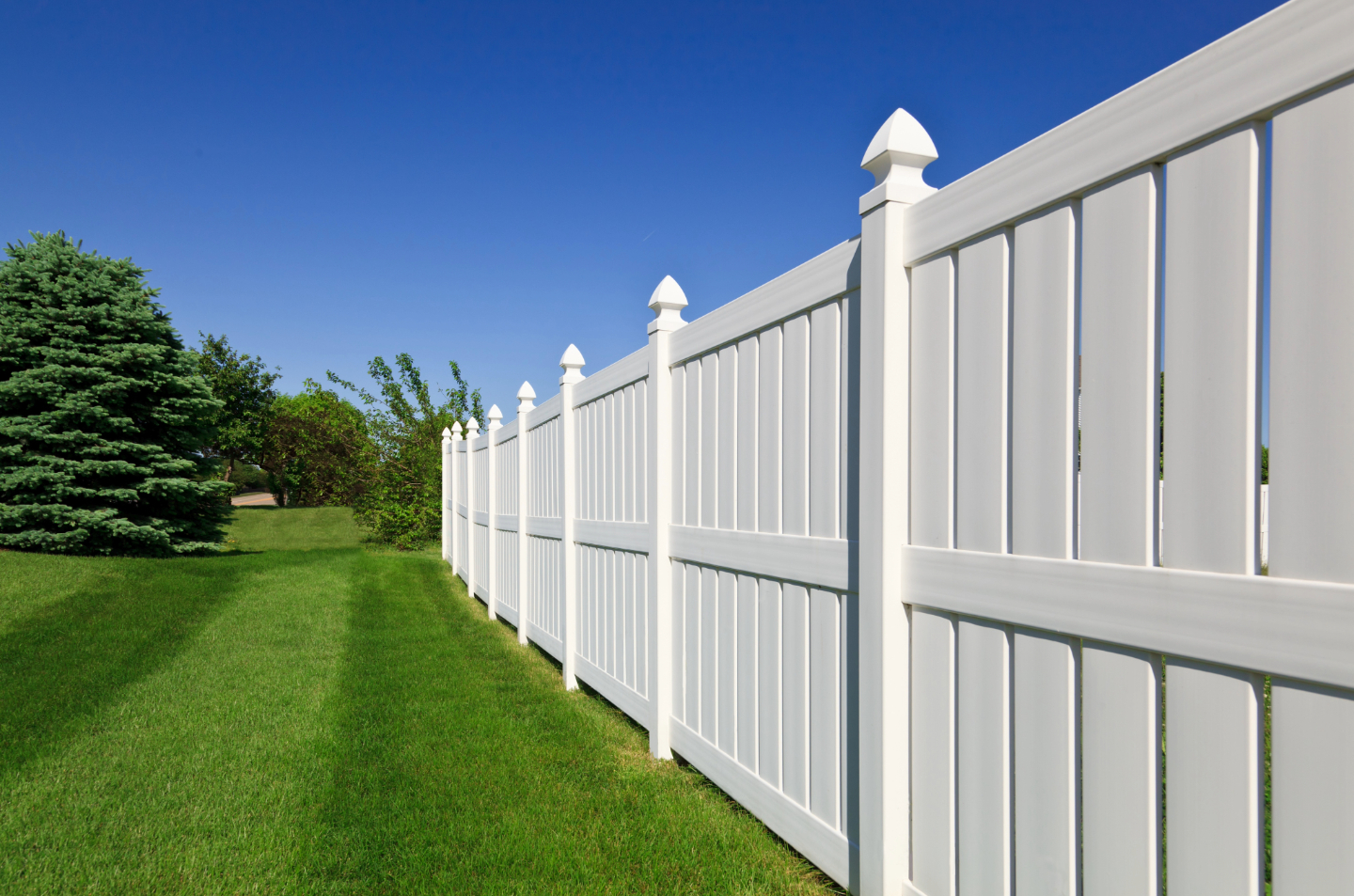
Plan First: Set Your Fence Up for Success
Start with a plan, not a post on every fencing job. Before picking materials or hiring contractors, confirm the site plan, measure lines, and verify code and HOA rules. Good prep prevents encroachments and disputes. Knowing the purpose of your fence will guide choices in style and material. Prep now, avoid change orders later, so installation moves cleanly.
Once you’ve planned the layout, material selection gets simple. All materials balance cost, upkeep, and longevity.

Wood is timeless yet needs sealing, while vinyl and metal provide durability with minimal maintenance. Dialing in material, height, and profile ensures your fence complements your home and functions effectively.

Planning pins down cost and schedule, so you control the project.
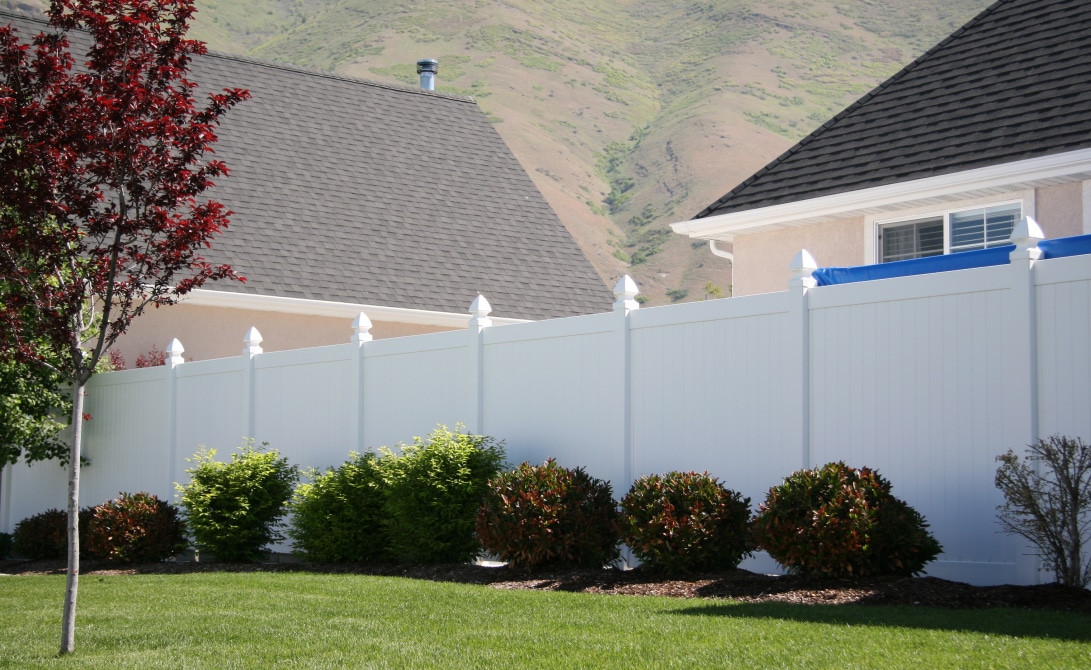
Choosing the Right Materials for a Long-Lasting Fence Installation
Durability starts with material.
Homeowners must consider climate, durability, maintenance, and style as you compare wood, vinyl, metal, and composite. Wood can move with humidity and needs sealers. Vinyl keeps care low but limits profiles.

Metal fencing—including aluminum or wrought iron—provides strong security and elegance. Know the tradeoffs to buy once, cry once.
Beyond selection, consider installation requirements. Some
systems need pro gear and experience. Account for hills, clay/sand, frost, and gusts so posts, panels, and anchors behave. Smart pairing cuts future fixes, and underpins long service life.
Avoiding Common Fence Installation Mistakes
Fence installation may seem simple, but small mistakes can cause big problems. Guessing your boundary can force tear-outs and fees.

Underestimating material needs or budget leads to piecemeal installs. Neglecting permits or height restrictions causes fines and do-overs. Preparation cures 90% of problems.
Details make the difference. Posts must be set deep enough for stability, hold rails true, and gates functional. Shallow, crooked, or dry-set posts don’t last. Follow standards for a fence that looks sharp and holds up.
Enhancing Property Value Through Smart Fence Installation
A quality fence adds perceived and real value. Solid materials with precise workmanship lift curb appeal and appraisal.

Seclusion, safety, and sound control win showings.

Style that fits the site that match your home and yard deliver harmony and function.
Maximizing Privacy and Security with Proper Fence Installation
The right height, material, and style control visibility and access. Solid wood or vinyl panels stop line of sight. Metal or chain-link add strength without closing off sightlines. Anchored posts, aligned panels, and robust locks keep the line strong.
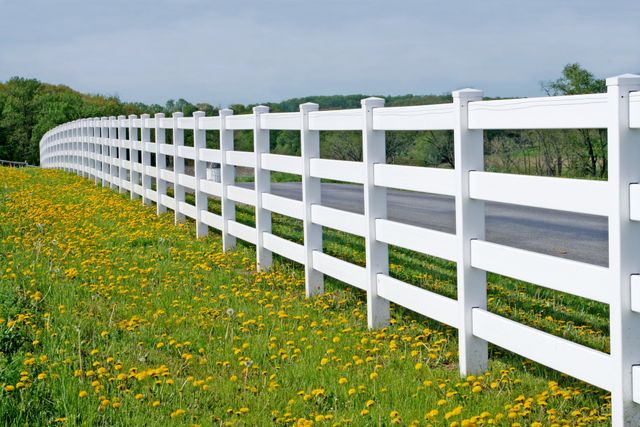
Layer lighting and thorny plantings to further deter intruders.
 Costing
 Your Fence the Right Way
Budgets swing with scope and specs. Define your budget early to avoid financial surprises. Research material costs, compare contractor quotes, and include permits, concrete, and gates. Spend where it counts to match performance with price.

Plan for maintenance over time. Wood needs finishing and refresh cycles. Steel/iron may need touch-ups. Vinyl/composite cost more up front, less later. Knowing capex + opex helps you choose wisely.
DIY, Done Right: Step-by-Step
A
disciplined DIY saves money. String lines, paint marks, and
verify underground lines. Equip saws, levels, diggers, and mix gear to work efficiently and safely. Check setbacks, heights, and inspections to avoid fines or delays.
Sequence beats speed.

Footings before finishes, attach rails/panels, then hang gates, holding level/plumb and equal gaps.

Have a helper on lift days. Discipline delivers a clean finish.
Blend Fence with Landscape
The yard and fence co-exist. Consider plant placement, drainage, and lawn care. Avoid crowding trees and shrubs to prevent maintenance headaches. Integrate slopes, beds, and pathways so the
design reads as one. Scale the fence to views and privacy goals that echoes architectural cues.
When to Call the Pros
Some projects are best left to experienced installers. They bring alignment, anchoring, and approvals. They advise on products and lifecycle.
Interview, compare, and clarify. Clear communication on expectations, materials, and timelines prevents misunderstandings.

They manage slope, water, and odd lots efficiently.
Keep It Strong: Post-Install Care
Longevity comes from care.

Refresh wood finishes to block moisture. Metal may need rust protection or repainting. Vinyl and composites want occasional washdowns. Walk the line for checks to prevent bigger repairs. Trim plants, re-secure looseness, and fix pooling to
preserve performance.
Ready to Build?

Thoughtful fencing upgrades your lot, adding curb appeal and utility. From material choice to proper techniques, precision pays off for years of service.
Ogden Fencing & Landscaping is ready to help bring your vision to life.

Count on pro advice, vetted materials, and precise installation. Reach out at +1-801-758-2645 to get started.

Let us handle the hard work while you enjoy a beautiful, durable fence that boosts value and curb appeal.